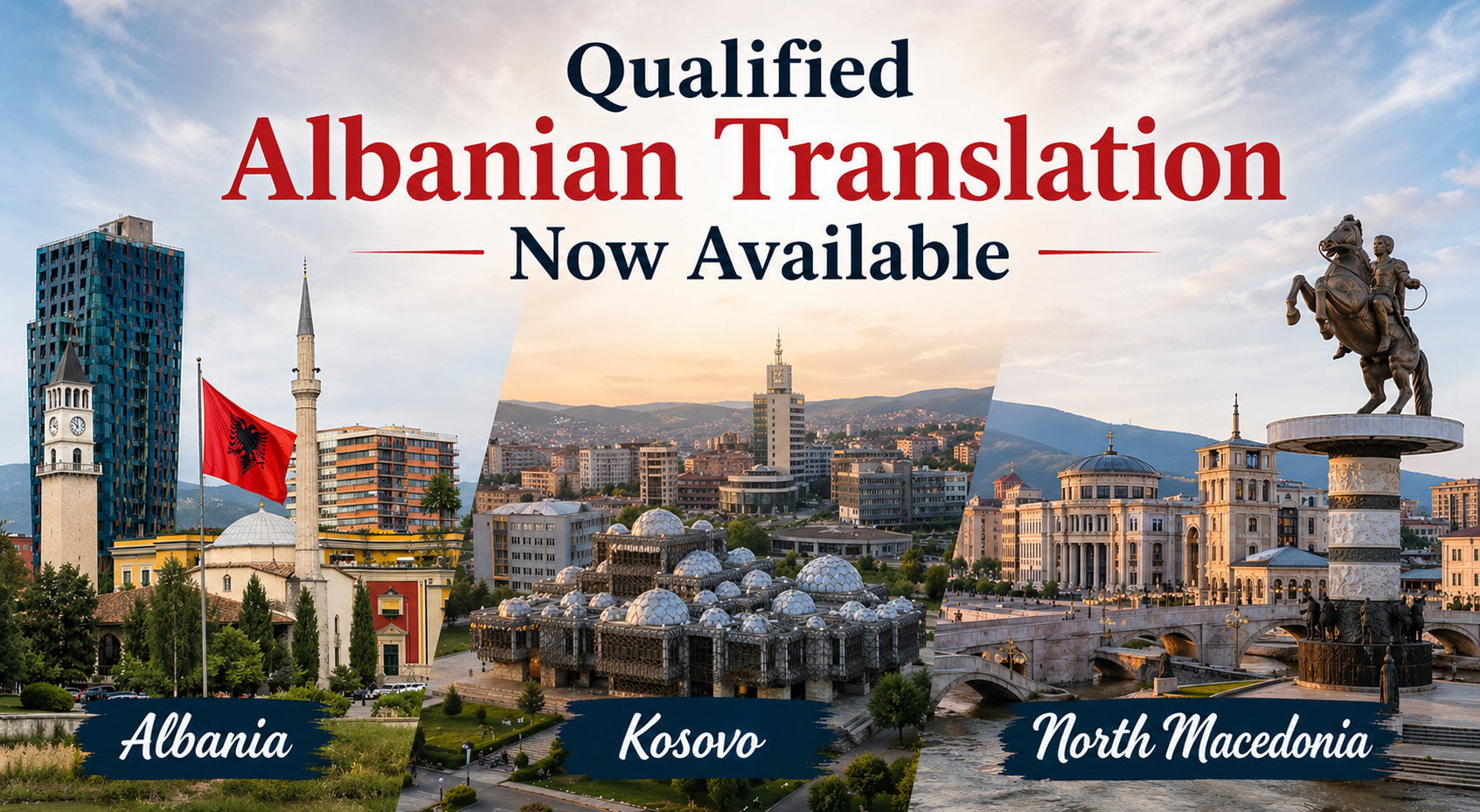
Translation for Albania, Kosovo, or North Macedonia? We now offer Albanian translation services!
REGNOVA® expands our services with Albanian C level translation now offered for product labels, packaging text, and marketing materials.

Stay updated with the latest insights, trends, and tips across various topics to keep ahead of the curve.
REGNOVA® expands our services with Albanian C level translation now offered for product labels, packaging text, and marketing materials.

REGNOVA® expands our services with Albanian C level translation now offered for product labels, packaging text, and marketing materials.


The Balkan region (also known as Adriatic or South East Europe) is increasingly relevant for food companies seeking expansion within or beyond the EU. While several countries are EU Member States, others operate under national food laws that are only partially harmonised with EU legislation. As a result, market entry requires careful regulatory planning, local presence, and structured execution.

This article provides essential updates for food companies navigating language requirements in North Macedonia, where retail landscape is dominated by imported products, and clear and compliant product labeling has become increasingly important for both consumers and businesses.


Expanding your food or consumer goods business into the Balkans is an exciting opportunity, but it comes with a maze of regulatory and linguistic specifics. One of the most common blockers for international businesses is product labeling, especially language requirements that differ from country to country. In the Balkans, labeling in the local language is a legal obligation. Authorities in each country require that all mandatory product information (such as ingredients, allergens, origin, and storage conditions) are provided in a language that consumers can easily understand. In this article, we bring you an overview of the main differences across Balkan markets.


The Western Balkans represent a growing opportunity for global food companies — yet navigating their regulatory landscape can be challenging. While many countries in the region are aligning their food legislation with the European Union framework, differences in national implementation, interpretation, and timing can create compliance hurdles. This article provides an overview of the food regulatory frameworks in the Western Balkans, comparing EU Member States and non-EU countries, and highlighting key considerations for businesses entering these markets.